In the early hours of March 21, 2026, at China's Kunlun Station (80°S) in Antarctica, the solar elevation angle dropped below -8 degrees. With the progressing polar night in the Southern Hemisphere and gradually lengthening darkness, the station's 2026 astronomical observation season officially commenced.
Notably, the AST3-2 Antarctic Survey Telescope, developed by the Nanjing Institute of Astronomical Optics & Technology (NAOC), has operated continuously for 430 days without on-site maintenance since January 19, 2025, when the 41st Antarctic expedition team departed, maintaining stable operation solely through remote monitoring and autonomous maintenance systems.
As solar elevation continued to decrease and sky darkness met astronomical instrumentation requirements, the research team promptly initiated preparatory procedures.
On March 21, researchers conducted comprehensive equipment inspections via remote access to the station's local computing systems.
Diagnostic tests confirmed stable dual-axis operation, precise focus control, functional mirror defrosting, and optimal camera performance, with all systems meeting observational specifications to establish a robust foundation for the new season.
The domestically developed AST3-2 telescope, commissioned at Kunlun Station in 2015, is now entering its 12th observation season.
Featuring wide-field and high-sensitivity capabilities, it specializes in supernova and exoplanet studies, having notably detected optical counterparts of binary neutron star mergers, marking significant contributions to China's astronomical research.
The successful initiation of this unattended observation season thoroughly validates the reliability of China's Antarctic astronomical infrastructure under extreme conditions.
Subsequently, leveraging Kunlun Station's superior observing conditions, researchers will conduct prolonged deep-space observations using AST3-2 to capture celestial signals and accumulate valuable data for ongoing cosmic exploration.
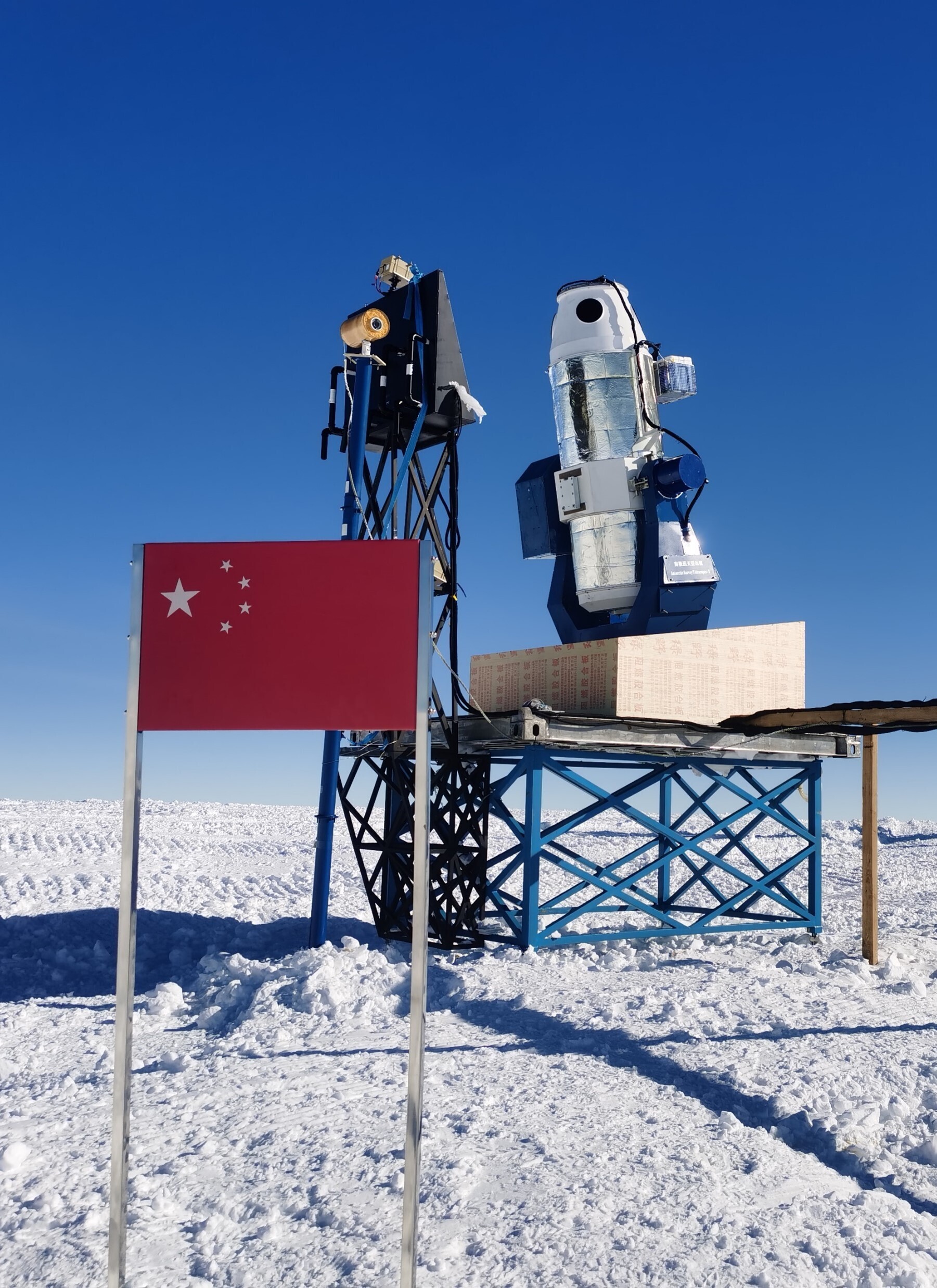
Antarctic Survey Telescope AST3-2
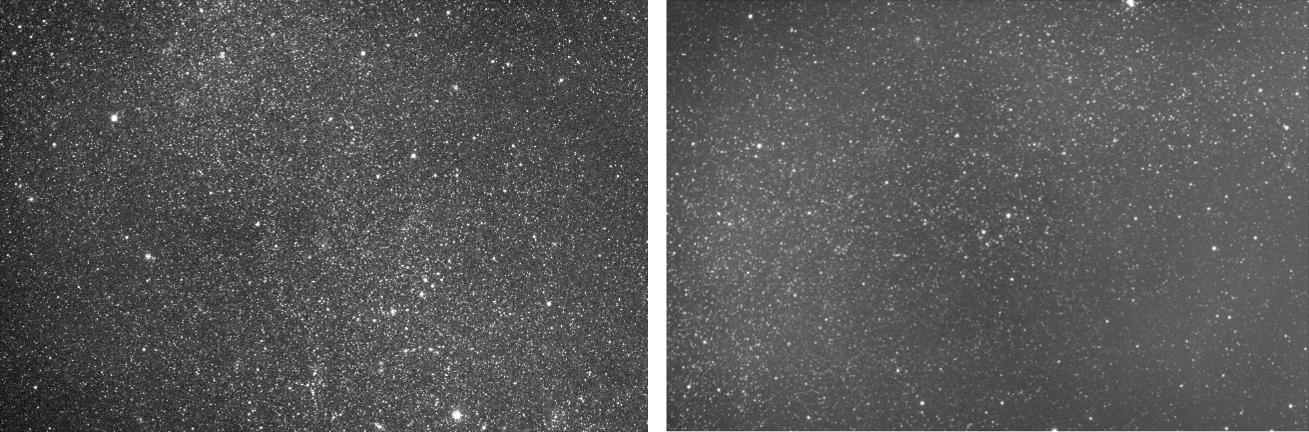
The Large Magellanic Cloud (left) and Small Magellanic Cloud (right) captured by the Antarctic Survey Telescope AST3-2


